A deeply comforting Bohra-style broth brimming with gentle spices and wholesome warmth!
Masala Khurdi sits somewhere between a light soup and a thick, nourishing gravy. Traditionally paired with Khichdi and Kadak Pav, it plays the role of both a flavor enhancer and a soothing companion dish. Slow-simmered with chicken bones and wheat flour, this broth releases natural richness and depth for a truly memorable comfort meal.
Ingredients List
People
💡 Adjust serving size to recalculate ingredients
Sr.
Weight
Units
Name
•
1
kg
Chicken bones or bone-in chicken/mutton
•
200
g
Tomatoes, roughly chopped
•
150
g
Onion, thinly sliced
•
45
ml
Oil
•
45
g
Ginger-garlic paste
•
30
g
Wheat flour / Gheu ka atta
•
15
g
Green chillies, slit
•
10
g
Salt, to taste
•
7.5
g
Red chilli powder
•
2.5
g
Turmeric powder
•
2
g
Cumin seeds (jeera)
•
2
g
Black peppercorns
•
1
g
Cloves (laung)
•
1
g
Star anise
Method / Instructions
Baghar & Aromatics: Heat oil in a large pot. Add cumin seeds, black peppercorns, cloves, and star anise for tempering. Add slit green chillies and thinly sliced onions, sautéing until onions turn soft and lightly golden.
Masala Base: Add roughly chopped tomatoes, salt, ginger-garlic paste, turmeric powder, and red chilli powder. Sauté well until the tomatoes soften completely, splashing 1.25 litres of water as needed to build the broth.
Roast with Flour: Sprinkle wheat flour (gheu ka atta) into the masala and sauté continuously until oil separates and the raw flour aroma is fully cooked out.
Simmer with Bones: Add chicken bones (or bone-in chicken/mutton), mix thoroughly with the spiced paste, and let it simmer.
Slow Cook & Serve: Lower the heat and let the Khurdi simmer gently for 1 hour until rich and fragrant, stirring occasionally to prevent the flour from settling at the base. Serve hot with masoor dal khichdi and kadak pav. Jamjo ane Jamarjo!
Nutrition Facts (Per serving)
Nutrient (Basic)
Amount (Approx.)
🔥 Calories
195 Kcal
💪 Protein
14.2 g
🌾 Carbohydrates
10.5 g
🥑 Total Fat
11.0 g
🧈 Saturated Fat
2.1 g
🌱 Dietary Fibre
2.2 g
🍬 Total Sugars
3.5 g
🧂 Sodium
380 mg
*Disclaimer: The nutritional values provided here are estimates generated for reference only and may vary based on exact ingredient brands and preparation techniques. Please calculate your nutrition independently if following a strict diet.
Chef's Notes & Tips
Chef’s Note
Slow simmering is the soul of Khurdi—this is where the bones release collagen and flavor to build a naturally hearty body.
Stir occasionally after adding the wheat flour to avoid sticking at the base of the pot.
Once you have this versatile Golden Gravy prepared using our signature Kaari Masala, you can effortlessly whip up vegetable curries, Mutton, Chicken, Egg, Fish, or Prawn curries. No extra garam masala or chilli powder needed—the Kaari Masala already brings all the magic.
Ingredients List
gms
💡 Adjust yield to recalculate ingredients
Sr.
Weight
Units
Name
•
25
ml
Oil
•
20
g
Garlic cloves (approx. 8–10 nos)
•
20
g
Green chillies (approx. 4–5 nos)
•
200
g
Onions, medium (approx. 2 nos, sliced)
•
200
g
Tomatoes, medium (approx. 2 nos, chopped)
•
100
g
Kaari Masala
•
1
tsp
Salt, to taste
•
250
ml
Water (approx. 1 cup)
Method / Instructions
1. Sauté Aromatics: Heat 2 tbsp oil in a kadhai. Add 8–10 garlic cloves, 4–5 green chillies, and 2 medium chopped onions. Sauté gently until the onions begin to soften.
2. Add Tomatoes & Spice: Add 2 chopped tomatoes and salt to taste. Once tomatoes soften, stir in 100 g of Kaari Masala and mix thoroughly.
3. Simmer & Cool: Pour in 1 cup of water and let the mixture come to a brief boil. Switch off the heat and set aside to cool completely.
4. Remove Chillies & Blend: Remove the boiled green chillies from the mixture so the gravy does not become excessively spicy. Transfer the remaining mixture to a mixer-grinder and blend into a smooth paste.
5. Strain & Boil: Pass the blended paste through a fine sieve to eliminate any raw skin or texture. Pour the strained gravy back into the kadhai and bring to a gentle boil over medium heat, stirring continuously to prevent sticking. Cool and refrigerate for up to a week. Jamjo ane Jamarjo!
Nutrition Facts (Per 100 gms servings)
Nutrient (Basic)
Amount (Approx.)
🔥 Calories
165 Kcal
💪 Protein
4.2 g
🌾 Carbohydrates
14.5 g
🥑 Total Fat
10.8 g
🧈 Saturated Fat
1.5 g
🌱 Dietary Fibre
3.1 g
🍬 Total Sugars
6.2 g
🧂 Sodium
320 mg
*Disclaimer: The nutritional values provided here are estimates generated for reference only and may vary based on exact ingredient brands and preparation techniques. Please calculate your nutrition independently if following a strict diet.
Chef's Notes & Tips
Chef’s Note
This Golden Gravy acts as a master base for any vegetable, meat, egg, or seafood curry in your kitchen without needing any additional spice powders.
Tips & Tricks
Remove the boiled green chillies before blending to control the heat level precisely and prevent the gravy from becoming overly sharp.
Stir constantly while giving the strained gravy its final boil so it does not catch at the bottom of the kadhai.
Sieving the blended mixture removes any raw onion and tomato skins, yielding a velvety, restaurant-style consistency.
A good Hariyali Chicken is judged by one thing first. It's green. Not faded. Not dark. Not blackened. Just fresh, lively, and full of life. This recipe follows a simple rule passed down quietly in Indian kitchens. Green chutney should never be exposed to long heat. It needs respect, timing, and patience. That is how the colour stays bright, and the flavour stays fresh.
This Hariyali Chicken is cooked in layers. Chicken is sealed first, so it stays juicy. The gravy is built slowly. And the green chutney enters only at the end, when it can shine.
Ingredients List
People
💡 Adjust serving size to recalculate ingredients
Sr.
Weight
Units
Name
For the Chicken Marinade
•
6
pieces
Chicken Drumsticks
•
1
tsp
Salt
½ tsp Turmeric Powder
•
1
tbsp
Ginger Garlic Paste
For the Green Chutney
•
2
handfuls
Spinach Leaves
•
1
tsp
Turmeric Powder (for blanching)
½ cup Fresh Mint Leaves
½ cup Fresh Coriander Leaves
•
1
cup
Thick Buttermilk
½ cup Desiccated Coconut
½ cup Roasted Chickpeas
½ tsp Black Pepper Powder
•
1
tsp
Cumin Powder
Salt to Taste
•
3
–4
pcs Green Chillies
•
1
pc
Lemon (Juice)
For the Gravy
•
2
–3
tbsp Oil
•
1
tsp
Mustard Seeds
•
10
–12
leaves Curry Leaves
•
1
pc
Black Cardamom
½ cup Onion Paste
½ cup Cashew Paste
•
1
cup
Water
Final Touch
•
2
–4
tbsp Homemade Butter
Method / Instructions
1. Prepare and Marinate the Chicken: Make deep cuts on the chicken drumsticks so they cook evenly and remain tender. Marinate with salt, turmeric powder, and ginger garlic paste. Rest for 15–20 minutes.
2. Shallow-Fry the Chicken: Heat oil in a non-stick pan over a low flame. Shallow-fry the drumsticks, turning gently until sealed. Cover and cook for 10 minutes on low heat. Remove once cooked and keep aside.
3. Prepare the Green Chutney: Blanch spinach leaves in boiling water with turmeric powder. Drain and cool immediately. Grind the blanched spinach, mint, coriander, buttermilk, desiccated coconut, roasted chickpeas, black pepper powder, cumin powder, salt, green chillies, and lemon juice into a fine chutney. Keep aside.
4. Prepare the Gravy: In the same pan used for the chicken, add mustard seeds, curry leaves, and black cardamom. Let them crackle. Add onion paste and cook patiently until soft and brown, and the oil starts separating. Add cashew paste and cook until glossy and aromatic.
5. Simmer the Chicken: Add the fried chicken drumsticks and coat them well with the gravy. Pour in water, cover, and simmer on a low flame for 15 minutes.
6. Add the Green Chutney: Once the chicken is fully cooked, add the green chutney and mix slowly and gently. Cook uncovered over a very low flame until the oil releases.
7. Finish with Butter: Add homemade butter and switch off the heat.
Nutrition Facts (Per 100 gms servings)
Nutrient (Basic)
Amount (Approx.)
🔥 Calories
188 Kcal
💪 Protein
10.2 g
🌾 Carbohydrates
7.4 g
🥑 Total Fat
13.5 g
🧈 Saturated Fat
4.8 g
🌱 Dietary Fibre
🍬 Total Sugars
1.8 g
🧂 Sodium
285 mg
*Disclaimer: The nutritional values provided here are estimates generated for reference only and may vary based on exact ingredient brands and preparation techniques. Please calculate your nutrition independently if following a strict diet.
Chef's Notes & Tips
Chef’s Note
Green chutney always goes in at the last stage. Early heat kills both colour and fragrance. This one step decides whether your Hariyali Chicken looks alive or tired.
Undhiyu is one of those dishes that doesn’t arrive quietly. It brings winter with it. The moment fresh Surti papdi, purple yams, baby brinjals and green garlic start showing up in the market, Gujarati homes know it’s time. Undhiyu isn’t just a meal; it's a legacy. It’s prepared like a small family event. Someone sits and strings papdi, someone peels kand, someone mixes the masala, and kids wait for that first whiff from the kitchen.
Traditionally, the dish wasn’t even made on a gas stove. Villagers used to pack all the vegetables and masala into a matlu, seal it, turn it upside down, and slow-cook it over a fire pit. That earthy, smoky taste is the original soul of Undhiyu. Even though it’s usually made on a burner, the spirit remains the same: slow cooking, gentle heat, and patience.
What makes Undhiyu special? The way every ingredient keeps its identity. The firm papdi, the soft yams, the tender brinjals, the slightly crisp methi-muthiya - each adds its own texture. When layered correctly, they soak up the masala without turning into a mash. The dish is hearty, colourful and feels like a celebration even on an ordinary day.
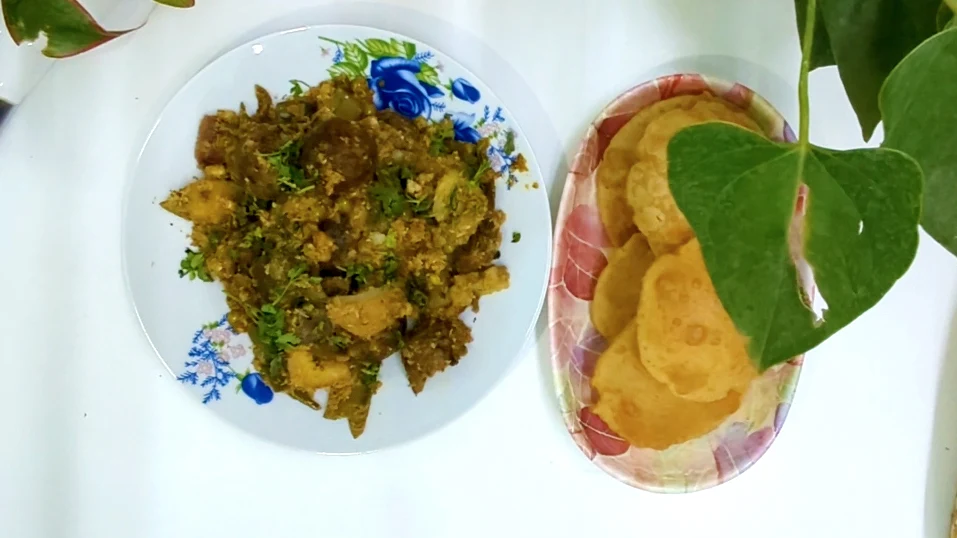
Most people remember where they tasted their best Undhiyu, or who in the house made it perfectly. Serve it with hot pooris or soft rotis, and suddenly the table feels warmer.
Undhiyu is humble winter produce, transformed through time, patience and tradition. It’s a dish that tastes of the season, of family, and of home. Perfectly simple, and always worth the effort.
1. Clean and Prepare the Papdi: Hold each small and large Val Papdi by the pod seam and gently pull to split into threads. Break each pod into four pieces. Clean the Surti Papdi and Tuwar Papdi by removing only the seeds. Place the cleaned seeds and whole papdi separately into bowls.
2. Soak the Papdi and Seeds: Pour hot water over the cleaned papdi and the seeds that need softening. Keep aside. Hot water helps soften them and remove any small pests.
3. Prepare the Vegetables: Peel and cut the purple yam, sweet potato, raw banana, and potatoes into medium-sized pieces. Slice the eggplant, or keep it whole if you plan to stuff it or apply masala.
4. Prepare the Besan-Methi Muthiya Dough: Finely chop the fenugreek leaves. In a bowl, combine besan, wheat flour, chopped methi, salt, ajwain, cumin powder, coriander powder, garam masala, turmeric, red chilli powder, ginger-garlic paste, sugar, oil, and baking soda. Knead into a tight dough using just enough water to help it hold its shape. Let it rest for 10 minutes.
5. Shape and Fry the Muthiya: Shape the dough into small, lemon-sized balls. Heat oil over medium-low heat and shallow-fry the muthiya in batches until light golden and crisp on the outside. Do not over-fry. Drain and keep aside.
6. Fry the Root Vegetables: Lightly fry the potatoes, sweet potatoes, and purple yam pieces over medium heat until they attain a medium golden colour. Drain and keep aside. These add texture and a roasted flavour to the undhiyu.
7. Prepare the Tomato Base and Green Masala: Extract the juice from the tomatoes, dilute it with a glass of water, and strain. In a mixer, combine fresh coriander, garlic, ginger-garlic paste, roasted coconut, roasted peanut powder, and green chillies. Pulse to a coarse paste, then add salt and a little water if needed and grind to a smooth paste.
8. Prepare the Baghar and Cook the Masala: Heat about ½ cup oil in a large, heavy pot over medium heat. Add ajwain and let it sizzle. Add the green masala paste and sauté for 5–7 minutes, until the oil starts to release and the masala reduces. Keep the flame moderate to prevent the spices from burning.
9. Add the Tomato Juice and Seasoning: Pour the tomato juice mixture into the pot. Add salt and red chilli powder if needed, then mix well. Add 4–5 tablespoons of tamarind chutney and adjust the tanginess. Allow the gravy to simmer.
10. Add the Papdi and Seeds: Drain the soaked papdi and seeds well. Add them to the pot and gently fold them into the gravy. Cover and cook for 5–7 minutes, until the papdi is almost tender.
11. Layer the Vegetables and Muthiya: Arrange the eggplants, raw banana, fried potatoes, purple yam, and sweet potatoes over the papdi layer. Scatter the fried methi muthiya on top. Pour any remaining tomato water gently around the edges to create steam. Do not stir vigorously.
12. Cook on Dum: Cover the pot and simmer over a low flame until the vegetables are tender and the muthiya absorb the flavours. Monitor the gravy as it reduces, ensuring it does not dry out completely. The aim is a moist, well-coated mixture with oil beginning to separate around the sides.
13. Finish the Undhiyu: Once cooked, gently loosen the mixture from the bottom with a spatula to bring up the masala without breaking the muthiya. Give it only two or three gentle turns. If required, sprinkle with a little chopped coriander.
14. Serve: Serve hot with pooris, rotis, or a spoonful of shrikhand on the side for contrast.
Nutrition Facts (Per 100 gms servings)
Nutrient (Basic)
Amount (Approx.)
🔥 Calories
174 Kcal
💪 Protein
3.8 g
🌾 Carbohydrates
16.2 g
🥑 Total Fat
11.2 g
🧈 Saturated Fat
2.1 g
🌱 Dietary Fibre
3.9 g
🍬 Total Sugars
3.4 g
🧂 Sodium
240 mg
*Disclaimer: The nutritional values provided here are estimates generated for reference only and may vary based on exact ingredient brands and preparation techniques. Please calculate your nutrition independently if following a strict diet.
Chef's Notes & Tips
Chef’s Note
Ensure papdi is properly de-stringed and soaked in hot water to remove any bitterness or small pests.
Layer the vegetables carefully and cook on low dum to prevent the muthiya and root veggies from turning into a mash.
Fresh green garlic and roasted peanuts give authentic Gujarati flavor and aroma.
Serve hot with fresh pooris or soft rotis for the ultimate winter feast.