
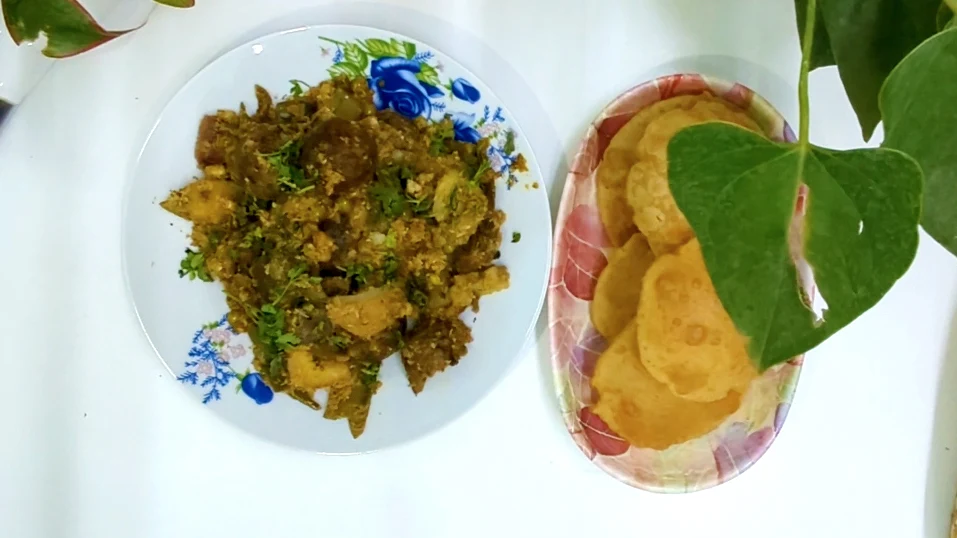
Undhiyu is one of those dishes that doesn’t arrive quietly. It brings winter with it. The moment fresh Surti papdi, purple yams, baby brinjals and green garlic start showing up in the market, Gujarati homes know it’s time. Undhiyu isn’t just a meal; it's a legacy. It’s prepared like a small family event. Someone sits and strings papdi, someone peels kand, someone mixes the masala, and kids wait for that first whiff from the kitchen.
Traditionally, the dish wasn’t even made on a gas stove. Villagers used to pack all the vegetables and masala into a matlu, seal it, turn it upside down, and slow-cook it over a fire pit. That earthy, smoky taste is the original soul of Undhiyu. Even though it’s usually made on a burner, the spirit remains the same: slow cooking, gentle heat, and patience.
What makes Undhiyu special? The way every ingredient keeps its identity. The firm papdi, the soft yams, the tender brinjals, the slightly crisp methi-muthiya - each adds its own texture. When layered correctly, they soak up the masala without turning into a mash. The dish is hearty, colourful and feels like a celebration even on an ordinary day.
Most people remember where they tasted their best Undhiyu, or who in the house made it perfectly. Serve it with hot pooris or soft rotis, and suddenly the table feels warmer.
Undhiyu is humble winter produce, transformed through time, patience and tradition. It’s a dish that tastes of the season, of family, and of home. Perfectly simple, and always worth the effort.
Ingredients List
| Sr. | Weight | Units | Name |
|---|---|---|---|
| For the Vegetables & Main Items | |||
| • | 125 | g | Small Val Papdi (Choti Val Papdi) |
| • | 125 | g | Large Val Papdi (Badi Val Papdi) |
| • | 125 | g | Surti Papdi (Surti Papdi) |
| • | 125 | g | Pigeon Pea Pod / Tuwar Papdi (Tuwar ki Papdi) |
| • | 75 | g | Green Peas (Hara Vatana) |
| • | 3 | nos | Small Purple Eggplant (Purple Baigan) |
| • | 2 | nos | Medium Potatoes (Aloo) |
| • | 1 | no | Sweet Potato / Shakar Kand (Shakkar Kand) |
| • | 1 | medium | Purple Yam (Kand) |
| • | 1 | no | Raw Banana (Kachcha Kela) |
| For the Besan-Methi Muthiya (Fenugreek Dumplings) | |||
| • | 100 | g | Fenugreek Leaves (Methi ki Bhaji) |
| • | 125 | g | Gram Flour (Besan) |
| • | 40 | g | Wheat Flour (Atta) |
| • | 1 | pinch | Salt as required |
| • | 2 | pinches | Carom Seeds (Ajwain) |
| • | 0.5 | tsp | Cumin Powder (Jeera Powder) |
| • | 2 | tsp | Coriander Powder (Dhania Powder) |
| • | 0.5 | tsp | Garam Masala Powder |
| • | 1 | tsp | Turmeric Powder (Haldi) |
| • | 1 | tsp | Red Chilli Powder (Mirchi Powder) |
| • | 1 | tbsp | Ginger-Garlic Paste (Adrak Lasan Paste) |
| • | 1 | tsp | Sugar (Shakkar) |
| • | 1 | tbsp | Oil (Tel) |
| • | 0.5 | tsp | Baking Soda |
| • | 1 | batch | Oil as required for shallow frying |
| For the Masala and Cooking | |||
| • | 5 | medium | Tomatoes (for juice) |
| • | 1 | glass | Water (to mix with tomato juice) |
| • | 1 | handful | Fresh Coriander (Hara Dhania), roughly chopped |
| • | 0.5 | cup | Garlic (Hara Lasan), roughly chopped |
| • | 1 | tbsp | Ginger-Garlic Paste (Adrak Lasan Paste) |
| • | 0.5 | cup | Grated Coconut (Nariyal), lightly roasted |
| • | 0.5 | cup | Roasted Sesame Seeds / Peanuts (Sing Dana), coarsely powdered |
| • | 3 | nos | Green Chillies (Hari Mirch) (3–5 nos) |
| • | 1 | cup | Cooking Oil (Tel) (1–1.5 cups) |
| • | 2 | tsp | Carom Seeds (Ajwain) for baghar |
| • | 1 | batch | Salt as required |
| • | 4 | tbsp | Tamarind Chutney (Imli Ki Chutney) (4–5 tbsp) |
Method / Instructions
- 1. Clean and Prepare the Papdi: Hold each small and large Val Papdi by the pod seam and gently pull to split into threads. Break each pod into four pieces. Clean the Surti Papdi and Tuwar Papdi by removing only the seeds. Place the cleaned seeds and whole papdi separately into bowls.
- 2. Soak the Papdi and Seeds: Pour hot water over the cleaned papdi and the seeds that need softening. Keep aside. Hot water helps soften them and remove any small pests.
- 3. Prepare the Vegetables: Peel and cut the purple yam, sweet potato, raw banana, and potatoes into medium-sized pieces. Slice the eggplant, or keep it whole if you plan to stuff it or apply masala.
- 4. Prepare the Besan-Methi Muthiya Dough: Finely chop the fenugreek leaves. In a bowl, combine besan, wheat flour, chopped methi, salt, ajwain, cumin powder, coriander powder, garam masala, turmeric, red chilli powder, ginger-garlic paste, sugar, oil, and baking soda. Knead into a tight dough using just enough water to help it hold its shape. Let it rest for 10 minutes.
- 5. Shape and Fry the Muthiya: Shape the dough into small, lemon-sized balls. Heat oil over medium-low heat and shallow-fry the muthiya in batches until light golden and crisp on the outside. Do not over-fry. Drain and keep aside.
- 6. Fry the Root Vegetables: Lightly fry the potatoes, sweet potatoes, and purple yam pieces over medium heat until they attain a medium golden colour. Drain and keep aside. These add texture and a roasted flavour to the undhiyu.
- 7. Prepare the Tomato Base and Green Masala: Extract the juice from the tomatoes, dilute it with a glass of water, and strain. In a mixer, combine fresh coriander, garlic, ginger-garlic paste, roasted coconut, roasted peanut powder, and green chillies. Pulse to a coarse paste, then add salt and a little water if needed and grind to a smooth paste.
- 8. Prepare the Baghar and Cook the Masala: Heat about ½ cup oil in a large, heavy pot over medium heat. Add ajwain and let it sizzle. Add the green masala paste and sauté for 5–7 minutes, until the oil starts to release and the masala reduces. Keep the flame moderate to prevent the spices from burning.
- 9. Add the Tomato Juice and Seasoning: Pour the tomato juice mixture into the pot. Add salt and red chilli powder if needed, then mix well. Add 4–5 tablespoons of tamarind chutney and adjust the tanginess. Allow the gravy to simmer.
- 10. Add the Papdi and Seeds: Drain the soaked papdi and seeds well. Add them to the pot and gently fold them into the gravy. Cover and cook for 5–7 minutes, until the papdi is almost tender.
- 11. Layer the Vegetables and Muthiya: Arrange the eggplants, raw banana, fried potatoes, purple yam, and sweet potatoes over the papdi layer. Scatter the fried methi muthiya on top. Pour any remaining tomato water gently around the edges to create steam. Do not stir vigorously.
- 12. Cook on Dum: Cover the pot and simmer over a low flame until the vegetables are tender and the muthiya absorb the flavours. Monitor the gravy as it reduces, ensuring it does not dry out completely. The aim is a moist, well-coated mixture with oil beginning to separate around the sides.
- 13. Finish the Undhiyu: Once cooked, gently loosen the mixture from the bottom with a spatula to bring up the masala without breaking the muthiya. Give it only two or three gentle turns. If required, sprinkle with a little chopped coriander.
- 14. Serve: Serve hot with pooris, rotis, or a spoonful of shrikhand on the side for contrast.
Nutrition Facts (Per 100 gms servings)
| Nutrient (Basic) | Amount (Approx.) |
|---|---|
| 🔥 Calories | 174 Kcal |
| 💪 Protein | 3.8 g |
| 🌾 Carbohydrates | 16.2 g |
| 🥑 Total Fat | 11.2 g |
| 🧈 Saturated Fat | 2.1 g |
| 🌱 Dietary Fibre | 3.9 g |
| 🍬 Total Sugars | 3.4 g |
| 🧂 Sodium | 240 mg |
*Disclaimer: The nutritional values provided here are estimates generated for reference only and may vary based on exact ingredient brands and preparation techniques. Please calculate your nutrition independently if following a strict diet.
Chef's Notes & Tips
Chef’s Note
- Ensure papdi is properly de-stringed and soaked in hot water to remove any bitterness or small pests.
- Layer the vegetables carefully and cook on low dum to prevent the muthiya and root veggies from turning into a mash.
- Fresh green garlic and roasted peanuts give authentic Gujarati flavor and aroma.
- Serve hot with fresh pooris or soft rotis for the ultimate winter feast.
Community Comments & Reviews